What Veneers Realistically Fix in Irvine, CA (2026)
A straight-answer buyer guide to what veneers in Irvine can and cannot fix — discoloration, chips, gaps, misshapen teeth — and when to choose another path.

Veneers reliably fix four cosmetic problems on front teeth: stubborn discoloration that whitening won't lift, small chips and worn edges, minor crowding or misshapen teeth, and small-to-moderate gaps between the upper front teeth. They do not move teeth orthodontically, correct a bite, cure decay, or produce a uniform result on teeth with active disease — the realistic before-and-after is a dramatic cosmetic upgrade on a healthy foundation, not a reset of your underlying dentition.
If you've lived with teeth that have never looked quite right — a dim shade, a chipped incisor from a childhood fall, a persistent gap, a lateral that sits slightly behind its neighbor — veneers are often the shortest path to a smile you'd actually choose. The honest version of that story, though, requires understanding exactly which problems a thin shell of ceramic or composite can mask, and which problems need a different tool.
What problems do veneers actually fix in Irvine, CA?
Veneers improve the appearance of teeth that are chipped or broken, stained, or crooked or misshapen, and they can mask the gaps in a smile. They are thin shells bonded to only the front surface of a tooth — not full coverage like a crown — so their job is strictly visual: changing the color, shape, length, and alignment the viewer perceives from the front.
At Rice Dentistry on Laguna Canyon Road, the four problems patients most often arrive hoping to solve are the same four veneers were designed for:
- Discoloration whitening can't fix. Tetracycline staining, fluorosis, internal darkening after trauma, and age-related dentin yellowing often resist professional bleaching. Veneers cover the underlying color entirely.
- Chips, worn edges, and small fractures. A chipped front tooth or edges flattened by years of coffee-cup contact can be rebuilt to a natural length and contour.
- Minor crowding and misshapen teeth. Peg laterals, teeth that erupted slightly rotated, or a single tooth that sits a half-millimeter behind its neighbors can be visually re-aligned.
- Uneven spaces or large gaps between the upper front teeth. A midline diastema or scattered small spaces can be closed cosmetically.
What won't veneers fix, and what should you do instead?
Veneers are cosmetic, not orthodontic or restorative. They do not move teeth, correct a deep overbite, treat decay, or stabilize gum disease — and placing them over unhealthy teeth may worsen existing dental problems. For significant misalignment, bite correction, active cavities, or periodontal issues, the right-sequence answer is to treat the underlying condition first and then decide whether cosmetic veneers are still needed.
In practice, that often means Invisalign to move teeth into position before any cosmetic work is considered — a conservative sequence Rice Dentistry can offer in-house as a provider that states it is among the top 1% of Invisalign providers in California. For patients with significant structural damage, worn dentition from grinding, or missing teeth, reconstructive options such as crowns, implants, or full mouth reconstruction address the structural problem veneers can't. If you clench or grind, or have a deep overbite, veneers may not be a good choice, because the thin shells may chip or break under those forces. And a patient can still get cavities under or around a veneer, so routine care doesn't end when the cosmetic work does.
Porcelain vs. composite: which veneer type fits which problem?
The two main types of veneers are porcelain and composite, and the choice depends on the specific problem, the tooth, and how long you want the result to hold. Porcelain is stronger, more stain-resistant, and more natural-looking across years of wear; composite requires less enamel removal, often fewer visits, and is easier to repair, but is not as stain- or wear-resistant.
| Dimension | Porcelain (ceramic) | Composite resin |
|---|---|---|
| Best for | Full smile makeovers, deep discoloration, long-term results | Single-tooth chips, small shape corrections, budget-conscious cases |
| Enamel removed | Small amount from front and sides | Often less than porcelain |
| Visits required | Multiple (lab fabrication, temporary worn in between) | Sometimes just one visit |
| Stain & wear resistance | Higher | Lower |
| Repairability | May need re-bond or replacement if damaged | Easier to fix chairside |
Rice Dentistry offers porcelain veneers, hybrid veneers, BioClear, and Invisalign under one cosmetic umbrella, which matters when the honest answer to "what do you need?" turns out to be a combination — alignment first, then veneers on only the two teeth that still need shape correction, for example.
What should Irvine patients expect from the before-and-after?
Expect a dramatic improvement in color, symmetry, and shape — and expect the result to look like a refined version of your own smile, not someone else's. A realistic transformation changes shade by several levels, closes visible gaps, rebuilds chipped edges to natural proportions, and softens the appearance of minor rotations. It does not change the position of your jaw, the alignment of your back teeth, or the health of the tooth underneath.
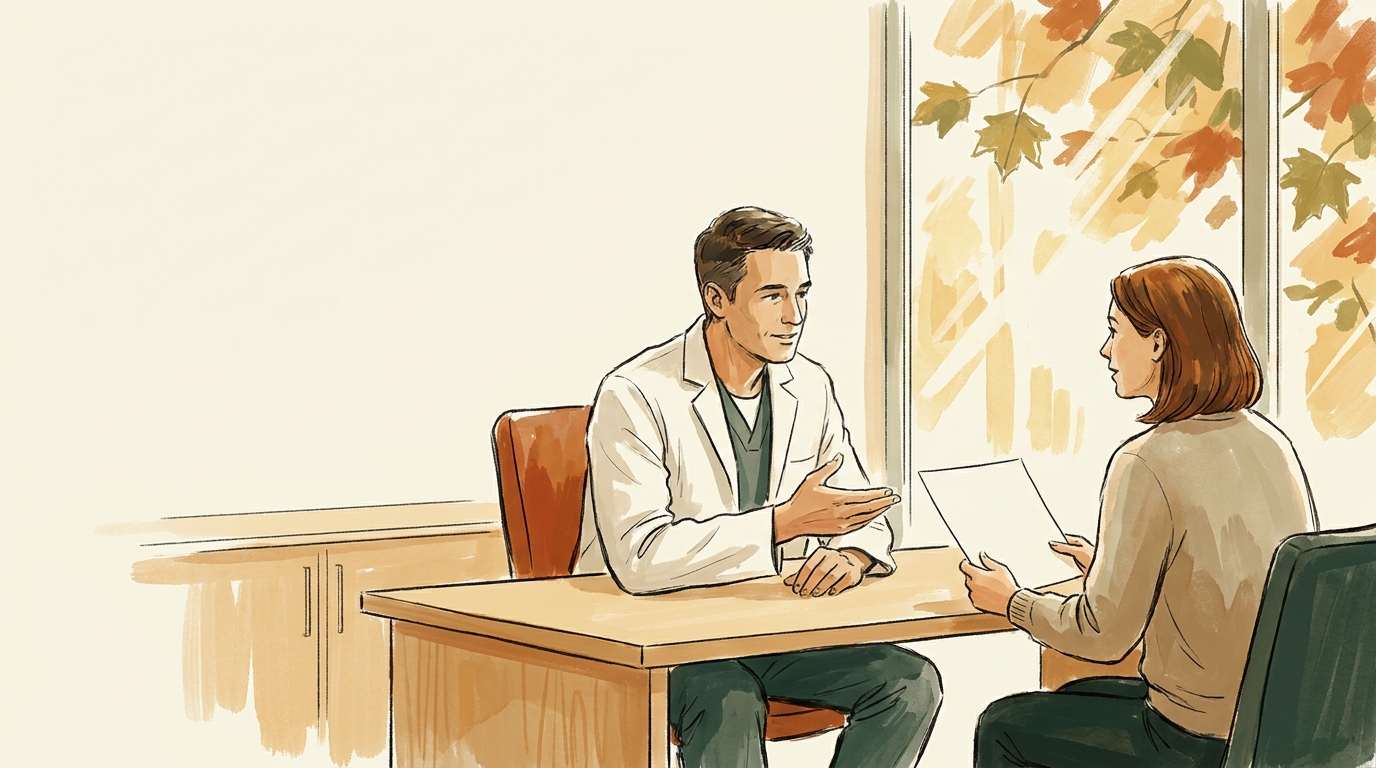
The process for porcelain begins with removing a small amount of enamel from the front and sides of the tooth, taking an impression or 3D scan, and sending the design to a lab; a temporary veneer may be worn while the permanent one is fabricated. That enamel removal is why veneer treatment is not reversible, and it's why the planning conversation matters as much as the final bonding appointment. Rice Dentistry offers both in-person and virtual consultations to work through that planning before any tooth is prepared.
"I am so very happy with this dental practice. Today I had some bonding work done and I could not be happier! Masterfully done, thank you!" — 5★ · Karen, Jun 2026
Who is and isn't a good candidate in 2026?
Good candidates have healthy teeth and gums, a stable bite, realistic cosmetic goals focused on the front teeth, and the discipline to maintain the result. Poor candidates have untreated decay or gum disease, significant bite problems, heavy grinding or clenching habits, or expect veneers to solve problems — tooth movement, jaw position, deep structural damage — they weren't designed to solve.
Southern California patients often have one additional practical consideration: veneers are considered cosmetic dentistry and may not be covered by insurance unless deemed medically necessary, so the budgeting conversation should assume self-pay and should account for the long-term reality that a veneer may chip, crack, wear down, or loosen over time, requiring the dentist to re-bond, repair, or replace it. Ask about that long-term relationship up front — the right practice plans for the 10- and 20-year horizon, not just the day the temporaries come off.
One more caution worth stating plainly: veneer services from unlicensed individuals carry potential risks for infection and nerve damage, and an unlicensed individual may unknowingly place veneers over unhealthy teeth. Veneers are irreversible dental work. They belong in a licensed dental office, performed by a dentist who has examined the underlying teeth.
Frequently asked questions
Can veneers fix crooked teeth without braces or Invisalign?
Veneers can mask minor crookedness, rotations, or misshapen teeth by changing the visible shape and alignment of the front surface. They do not actually move teeth. For moderate to significant crowding, orthodontic treatment such as Invisalign is the appropriate first step, and veneers — if still needed — can refine the final cosmetic result afterward.
Will veneers fix a gap between my front teeth?
Yes. Veneers can mask gaps in a smile and are specifically used to correct uneven spaces or large gaps between the upper front teeth. The dentist widens the visible contour of the adjacent teeth to close the space. For very large diastemas, orthodontic closure first — then veneers for final shaping — often produces a more conservative, longer-lasting result.
How many visits does it take to get veneers in Irvine, CA?
Porcelain veneers typically require multiple visits because the design is fabricated at a dental lab, with a temporary veneer worn in between. Composite resin veneers can sometimes be completed in just one visit, since they're shaped and bonded chairside. Your treatment plan — including any preparatory work on decay or gum health — determines the final appointment count.
Are veneers covered by dental insurance?
Usually not. Veneers are considered cosmetic dentistry and may not be covered by insurance unless deemed medically necessary — for example, in cases involving trauma or specific medical conditions. Most Irvine patients should budget as self-pay, request a written treatment plan before committing, and ask the practice directly about financing options and long-term maintenance expectations.
Can I still get cavities after I have veneers?
Yes. A patient can still get cavities under or around a veneer, because the veneer only covers the front surface of the tooth — not the entire tooth structure the way a crown does. Daily brushing, flossing, and regular dental cleanings and exams remain essential. Decay around a veneer margin can compromise both the tooth and the bond holding the veneer in place.
How long do veneers last and what happens when they fail?
A veneer may chip, crack, wear down, or loosen over time, at which point the dentist can re-bond, repair, or replace it. Composite is easier to repair chairside; porcelain more often requires replacement. Longevity depends heavily on bite forces, grinding habits, and daily care — your dentist can give a realistic range for your specific case at consultation.
A sensible next step
Veneers earn their reputation when they're used for the right problem on a healthy foundation — and disappoint when they're asked to substitute for orthodontics, bite correction, or restorative care. The planning conversation is where that gets sorted out, usually before any tooth is prepared.
Readers in Irvine who want a candid read on whether veneers are the right answer for their specific teeth — or whether a sequence that includes Invisalign, whitening, or restorative work would produce a better long-term result — can reach Rice Dentistry at (949) 551-5902 or at https://irvinedentalcare.com to schedule an in-person or virtual consultation.