Dental Implants With Bone Loss: Options in Irvine, CA
Bone loss rarely rules out implants in Irvine, CA. Here's how grafting, sinus lifts, and staged healing let patients still qualify for implants.
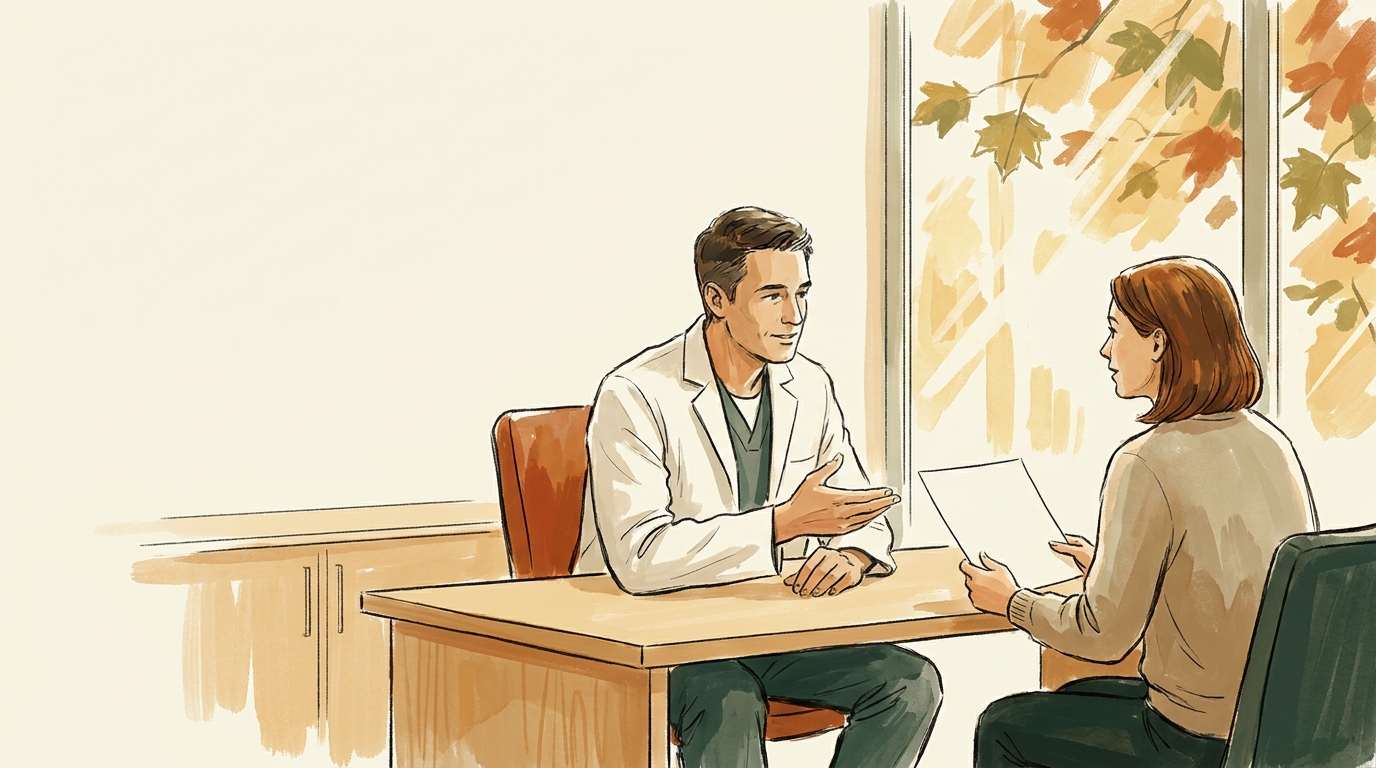
Bone loss does not automatically disqualify you from dental implants. In the overwhelming majority of cases, it simply means an additional step — a bone graft, a sinus lift, or both — is needed before implants can be placed. Eligibility turns on general health, gum health, and bone density rather than age alone, and modern techniques have made it possible for patients with significant resorption to still rebuild a stable foundation and receive implants.
What follows is the straight answer Irvine, CA patients should hear when they ask whether bone loss ends the conversation. It doesn't. It changes the pathway.
Does bone loss actually disqualify you from dental implants?
No. Bone loss is a starting condition, not a verdict. The main factors that determine candidacy are general health, gum health, and bone density — not age — and patients who have experienced bone loss may still qualify through advanced techniques such as bone grafting. At Rice Dentistry in Irvine, CA, candidacy is evaluated against your anatomy and imaging, not a generic rule.
Patients of advanced age are routinely excellent candidates when their health and gums support the procedure. The question is rarely "can you have implants" — it is "what sequence of steps gets you to implants safely."
Why does bone loss happen in the first place?
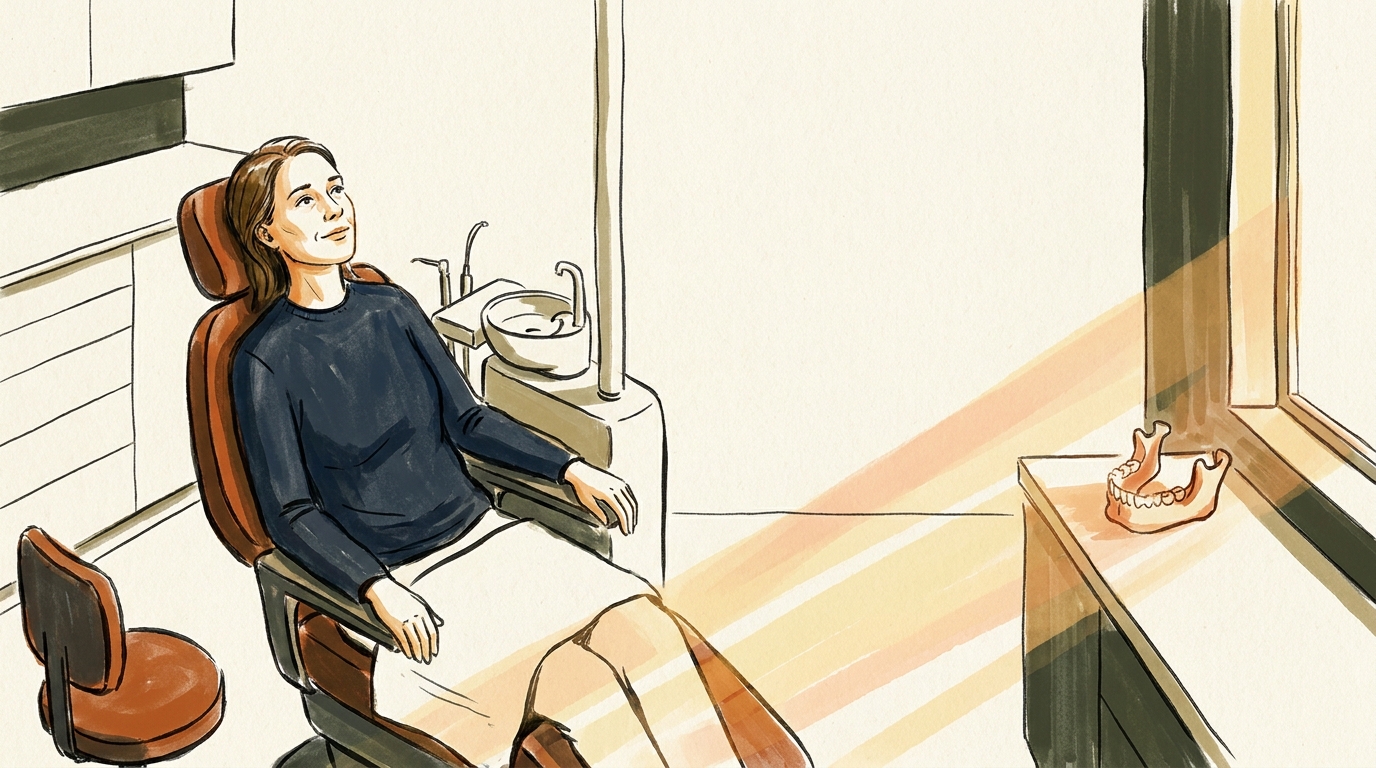
Bone loss in the jaw is typically driven by three forces: periodontal gum disease, tooth loss in the upper jaw, and reabsorption of bone into the body after a tooth is removed. Removable dentures accelerate the problem because they do not stimulate the jawbone — the bone shrinks from lack of load. Dental implants reverse that trend by stimulating bone tissue the way a natural tooth root does.
This is why time matters. The longer a missing tooth site goes without a root — or a root substitute — the more bone the body reclaims, and the more rebuilding may be needed before an implant can be placed.
What is bone grafting before implants in Irvine, and when is it needed?
Bone grafting rebuilds volume and density at an implant site that has lost bone, so the implant has something stable to integrate into. Graft material may be the patient's own bone, donor bone, animal-derived material, or synthetic material, and a membrane may also be used to protect the site. After grafting, a healing period measured in months is required before the implant can be placed.
Rice Dentistry uses advanced 3D surgical design for implant placement, which allows the grafted site, the planned implant, and the final restoration to be mapped together before anything is placed. For patients considering full-arch reconstruction, Rice Dentistry's Full Mouth Reconstruction uses six or more implants per arch rather than the traditional All-on-4 system, with a Zirconia and layered porcelain prosthesis — a design that distributes load across more implants and more bone.
What is a sinus lift, and when do upper-jaw implants need one?
A sinus lift increases the amount of bone in the upper jaw by adding bone to the space between the molars and premolars. It is required when the back of the upper jaw lacks enough bone height to anchor an implant — a common situation after years of tooth loss or periodontal disease. The procedure moves the sinus membrane upward to make room for new bone, and is typically performed by a dental specialist such as an oral maxillofacial surgeon or a periodontist.
Three bone types are most commonly used: autogenous bone (from the patient's own body), allogenic bone (from a cadaver), and xenograft (from a cow). The choice depends on volume needed, healing considerations, and patient preference. Dr. Nicolas Ravon at Rice Dentistry holds dental degrees from Europe and America and a specialist certification in periodontology, which keeps this category of surgical planning in-house.
Can you get implants with low bone density in Irvine, CA?
Yes — low bone density is a planning variable, not a disqualifier. The path forward depends on how much bone exists, where the deficit is, and whether periodontal disease is active. A clinician evaluates imaging, probing depths, and medical history to decide whether to graft, perform a sinus lift, use narrower implants, or stage multiple procedures. The output is a sequenced treatment plan rather than a yes/no verdict.
Active gum disease must be addressed first. Active gum disease must be addressed first, because implants placed into inflamed, unstable tissue fail at far higher rates. Those thresholds exist because implants placed into inflamed, unstable tissue fail at far higher rates.
What does the Irvine treatment pathway and timeline look like?
Expect a staged timeline when bone work is involved. After any extraction, grafting, or sinus lift, a healing window measured in months is required before the implant goes in — a general reference for implant placement describes approximately 3–6 months of healing before the final restoration, though graft size, site, and individual healing can change the schedule. Implant integration adds additional months before the final crown or prosthesis is seated.
| Stage | Purpose | Typical timing |
|---|---|---|
| Evaluation & 3D planning | Imaging, gum health check, surgical design | Initial visits |
| Bone graft or sinus lift | Rebuild volume where bone is deficient | Procedure + months of healing |
| Implant placement | Titanium implant placed into healed bone | Approximately 3–6 months of healing before final restoration |
| Final restoration | Crown, bridge, or full-arch prosthesis | After integration confirmed |
Irvine, CA patients commuting from Woodbridge, Northwood, Turtle Rock, or the Spectrum business district often prefer to cluster surgical visits around Rice Dentistry's Monday 9:00am–6:00pm or Tuesday–Thursday 7:00am–4:00pm windows, with virtual consultations used to review imaging and sequencing between in-person visits.
What makes a bone-loss patient a poor candidate — and what can be fixed?
Few conditions are permanent disqualifiers; most are modifiable. Active periodontal disease must be treated first. Uncontrolled systemic conditions should be stabilized with a physician. Smoking is the biggest modifiable risk factor, with research indicating that implants fail at meaningfully higher rates in smokers than in nonsmokers. Quitting — or significantly reducing — before and after surgery materially improves outcomes.
The Kois Center approach, which Rice Dentistry's clinicians use, evaluates gum health and bone support first to ensure the jawbone isn't being damaged by periodontal disease before any restorative plan is finalized. Dr. Taylor Rice has completed over 500 hours of continuing education, including advanced coursework at the Kois Center.
"The whole staff was very friendly and made my first experience there as enjoyable as one can be when visiting dentist office. Highly recommend if looking for new dentist."
Frequently asked questions
How much bone loss is too much for a dental implant?
There is no single millimeter threshold that rules out implants. If height or width is insufficient, bone grafting or a sinus lift can rebuild the site. The real limits are active periodontal disease, uncontrolled systemic health conditions, and anatomy that can't be reconstructed even with grafting. A 3D imaging evaluation is the only reliable way to know which category you fall into.
Will I need a sinus lift for upper back-tooth implants?
Possibly. The upper molars and premolars sit directly below the maxillary sinus, and bone loss there frequently leaves too little vertical bone for an implant. A sinus lift adds bone between the molars and premolars by moving the sinus membrane upward. Whether you need one depends on your current bone height, measured from imaging — not on how long you've been missing the tooth.
What type of bone graft material is used?
The three most common options for sinus lift and implant grafting are autogenous bone from your own body, allogenic bone from a cadaver donor, and xenograft bone from a cow. Synthetic materials are also available, and a membrane may be placed to protect the site during healing. The choice depends on the volume needed, how quickly you heal, and your preferences, discussed during planning.
How long after a bone graft can the implant be placed?
A healing period measured in months is standard before an implant is placed into grafted bone, and approximately 3–6 months of healing is a general reference before the final restoration is seated. Graft size, graft location, and individual healing all shift the schedule. Your clinician confirms readiness with new imaging rather than a calendar date.
Can smokers get dental implants?
Yes, but failure rates are meaningfully higher. Research shows that implants fail at meaningfully higher rates in smokers than in nonsmokers. Reducing or quitting around the surgical window substantially improves integration. Smoking is not an automatic disqualifier, but it is the single most important modifiable risk factor for implant success.
Are dentures a reason I developed bone loss?
They can be. Removable dentures do not stimulate the jawbone the way a tooth root does, and bone shrinks over time from lack of load. Implants reverse this by stimulating bone tissue and promoting jawbone health. Patients transitioning from long-term dentures to implants frequently need grafting to rebuild what the denture years allowed to resorb.
Does age rule out implants for Irvine seniors?
No. Age is not a limiting factor — many older patients are excellent implant candidates. Eligibility is driven by general health, gum health, and bone density. If those three check out, or can be brought into range with treatment, age itself is not the reason to pass on implants.
The bottom line for Irvine patients
Bone loss narrows your options, but rarely closes them. Grafting rebuilds width and height, a sinus lift restores vertical bone in the upper jaw, and 3D surgical planning sequences everything so the final restoration drives the earlier steps rather than the other way around. The answer to "do I still qualify" almost always starts with imaging, not with a verdict.
Irvine, CA readers who want this evaluated professionally can reach Rice Dentistry at (949) 551-5902 or https://irvinedentalcare.com to schedule an in-person or virtual consultation and see what a staged implant plan would look like for their specific anatomy.