Do Veneers Hurt in Irvine, CA? Honest Pain Guide
What veneers actually feel like at each step — prep, temporaries, bonding, and after — plus when Irvine patients need numbing or sedation.
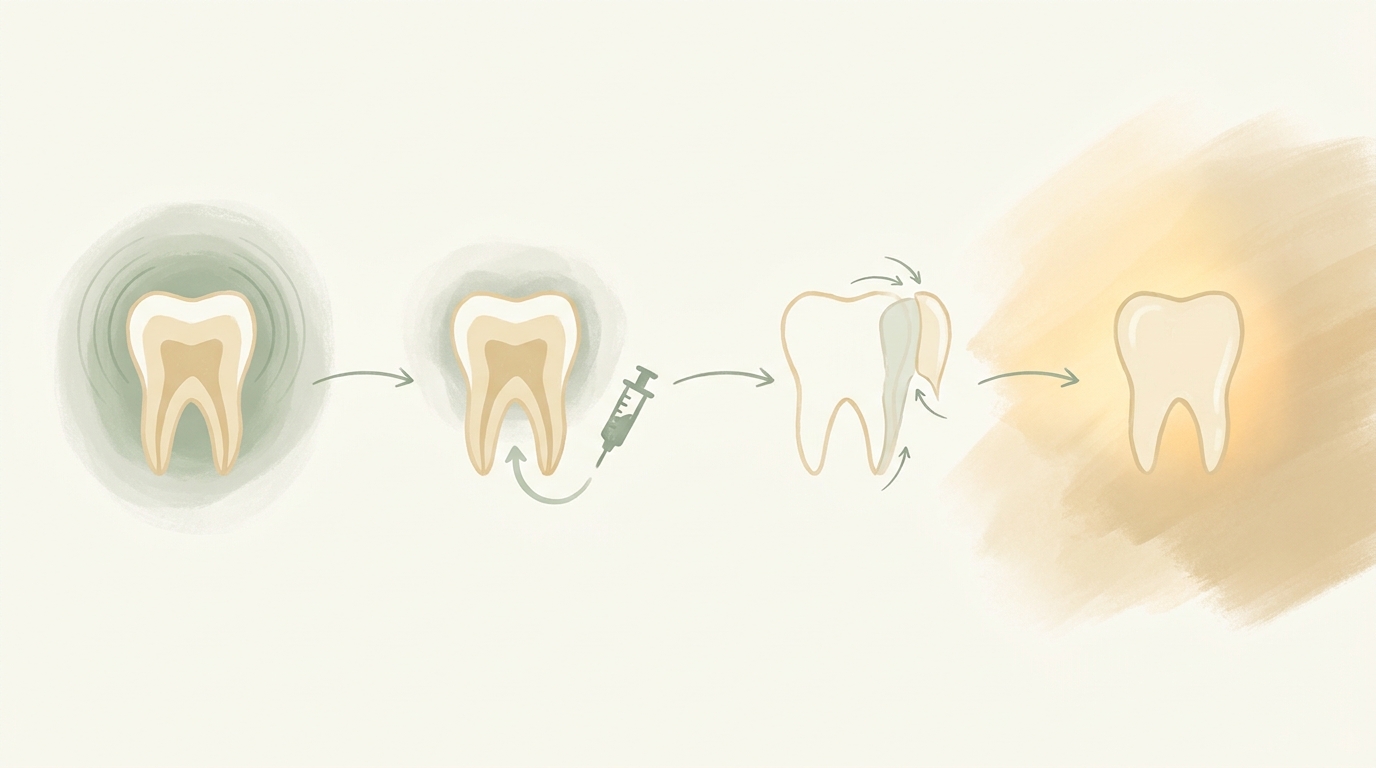
For most patients, veneers do not hurt. The preparation appointment — the only step that involves working on the tooth itself — is typically performed under local anesthetic, so what you feel is pressure and vibration rather than sharp pain. Mild gum tenderness and temperature sensitivity for a few days afterward is normal; significant pain is not.
That's the straight answer. The rest of this guide walks through exactly what each step feels like, when numbing is used, who tends to be more sensitive, and how an experienced Irvine practice minimizes discomfort from consultation to final polish.
Is the veneer consultation itself uncomfortable?
No. The consultation involves photos, digital scans or impressions, and a conversation about your goals — no drilling, no injections, no numbing required. Any dental issues such as decay or gum disease must be treated before veneers are placed, because bonding veneers over unhealthy teeth can worsen existing problems, so the exam portion is thorough but entirely non-invasive.
At Rice Dentistry in Irvine, consultations can be conducted in person at the Laguna Canyon Road office or virtually, which lets anxious patients get their core questions answered from home before committing to treatment. The practice offers cosmetic options including porcelain veneers, hybrid veneers, and BioClear, and part of the consultation is matching the right material to your bite, your enamel, and your sensitivity history.
Does the tooth preparation appointment hurt?
The preparation appointment is the one step people worry about, and it is the one step where numbing is routinely used. The dentist removes a small amount of enamel from the front and sides of the tooth to make room for the veneer so the finished result looks natural. With local anesthetic, patients feel firm pressure, water spray, and the vibration of the handpiece — not pain.
Two things are worth knowing. First, because enamel is removed, veneer treatment is not reversible — a tooth that has been prepared will always need a veneer or crown on it. Second, composite veneers may require less enamel removal than ceramic veneers, which is one reason some patients with thin enamel or needle-phobia opt for composite and sometimes skip anesthetic altogether. Rice Dentistry also offers oral conscious sedation and nitrous oxide for patients whose anxiety is high enough that local anesthetic alone doesn't settle them.
What do temporary veneers feel like between appointments?
Temporary veneers feel slightly bulkier and rougher than your natural teeth, and the newly prepared teeth underneath are usually sensitive to cold air, cold drinks, and sometimes sweet foods for the first few days. This is normal exposed-dentin sensitivity, not a complication. If creating the ceramic veneer takes more than one day, the dentist may give you a temporary veneer to wear until the permanent one is ready from the lab.
Practical tips during this window: chew on the opposite side when possible, avoid very hot or ice-cold drinks, skip sticky foods (caramel, taffy, chewy bagels) that can tug the temporary loose, and brush gently around the margins. Composite veneers often skip this stage entirely — a composite resin veneer can sometimes be completed in just one visit because the material is sculpted and light-cured directly on the tooth.
Does bonding the final veneer hurt?
The bonding appointment is usually the easiest of the three. The dentist tries in the veneer, checks shade and fit, cleans the tooth, applies bonding agent, seats the veneer, and cures it with a special light. Many patients don't need anesthetic at all for this visit because the enamel work is already done; those with lingering sensitivity can still be numbed on request.
What you may feel: the taste of the etching gel, cool air on the prepped tooth, and the pressure of the dentist seating and holding the veneer while it cures. After the veneer is bonded, minor bite adjustments at a later appointment are sometimes needed — small occlusion tweaks, not redoing the veneer. For composite veneers, the dentist bonds and sculpts the material onto the prepared tooth, then uses a special light to harden it, all in one sitting.
How long does post-veneer sensitivity last?
Most patients report that temperature sensitivity and mild gum tenderness fade within several days as the gums settle and the tooth adapts to the new restoration. It commonly takes a few days to get used to the feel of the veneer in your bite and against your tongue. Pain that is sharp, worsening, or still significant beyond the first week is not typical and warrants a call back to the dentist.
Which Irvine patients tend to feel more discomfort?
Three groups tend to have a harder time. Patients who clench or grind their teeth, or who have a deep overbite, may not be good candidates for traditional veneers at all — the thin ceramic can chip or break under those forces, and the underlying muscle tension often drives post-op soreness. Patients with untreated decay or gum disease will have more discomfort because inflamed tissue is tender to work near, which is why those issues are treated first.
The third group is patients who have tried "snap-on" or mail-order veneers before coming in for the real thing. Snap-on veneers can trap food particles against the tooth's surface, increasing the risk of tooth decay and gum disease, and can damage enamel — so the gum tissue may already be irritated before professional treatment begins. Veneer services from unlicensed individuals also carry risks for infection and nerve damage.
How does Rice Dentistry keep Irvine veneer patients comfortable?
Comfort planning starts before the handpiece ever turns on. Dr. Scott Rice holds certifications in Oral Sedation Dentistry, Laser Dentistry, and Advanced Cardiac Life Support, and the practice offers both oral conscious sedation and nitrous oxide for patients who want more than local anesthetic. Serving patients across Orange County from the Irvine Spectrum area since 1987, the practice has built its veneer workflow around the two steps patients fear most: the injection and the drilling.
What each visit typically feels like
| Step | Numbing used? | What you feel | Typical after-effects |
|---|---|---|---|
| Consultation & scans | No | Camera, scanner, conversation | None |
| Tooth preparation | Yes (local; sedation optional) | Pressure, vibration, water spray | Cold sensitivity, mild gum tenderness for a few days |
| Temporary veneer wear | No | Slightly bulkier feel, some sensitivity | Avoid sticky and very hot/cold foods |
| Final bonding | Usually no | Etching taste, light pressure | Brief sensitivity; possible minor bite adjustment later |
Frequently asked questions about veneer pain in Irvine, CA
Do dentists numb you for veneers?
Yes, for the preparation appointment. Removing a small amount of enamel from the front and sides of the tooth is typically done under local anesthetic, so you feel pressure and vibration rather than pain. The final bonding visit usually does not require numbing because the enamel work is already complete. Sedation options such as oral conscious sedation or nitrous oxide are available for anxious patients.
How bad does getting veneers hurt on a 1-10 scale?
With proper local anesthetic, most patients rate the preparation appointment very low on the pain scale during the procedure itself. Afterward, cold sensitivity and gum tenderness are commonly rated 1-3 for a few days. Sharp, throbbing, or worsening pain is not typical and should be reported to your dentist, as it may indicate an issue with the bite, the bond, or an underlying tooth problem that needs attention.
Do composite veneers hurt less than porcelain?
Often, yes. Composite veneers may require less tooth enamel to be removed than ceramic veneers, which can mean less post-op sensitivity and sometimes no anesthetic at all. They also require fewer visits — a composite resin veneer can sometimes be completed in just one visit. Composite is generally not as stain-resistant or wear-resistant as ceramic, so the choice is a tradeoff rather than a pure comfort decision.
Why does my tooth hurt weeks after getting a veneer?
Discomfort beyond the first week usually points to one of three things: the bite is slightly off and needs adjusting, you are clenching or grinding at night and stressing the veneer, or there is a pre-existing issue with the underlying tooth. Minor bite adjustments at a follow-up appointment often resolve the problem. Patients with a history of grinding may need a night guard.
Are snap-on veneers a painless alternative?
They avoid the preparation appointment, but they introduce different problems. Snap-on veneers can trap food particles against the tooth's surface, increasing the risk of tooth decay and gum disease, and they can damage tooth enamel. Veneer services from unlicensed individuals may come with risks for infection and nerve damage, and an unlicensed provider may unknowingly place veneers over unhealthy teeth. The short-term comfort is usually not worth the long-term harm.
Who should not get veneers?
Patients who clench or grind their teeth, or who have a deep overbite, may not be good candidates because the thin veneers may chip or break under those forces. Anyone with untreated decay or gum disease needs that resolved first. Because veneer treatment is not reversible — tooth enamel is removed to place a veneer — the decision should be made after a thorough exam and a candid conversation about alternatives.
The bottom line for Irvine patients considering veneers
Veneer treatment is overwhelmingly described as uncomfortable rather than painful, and the discomfort is concentrated in a predictable window: the few days after preparation. With local anesthetic, careful tooth preparation, well-made temporaries, and a dentist who adjusts the final bite properly, most Irvine patients are surprised by how manageable the whole process feels. Patients in Irvine who want this handled by an experienced cosmetic team can reach Rice Dentistry at (949) 551-5902 or https://irvinedentalcare.com to schedule an in-person or virtual consultation.