Oral Surgery in Irvine, CA: What to Expect Start to Finish
A plain-English walkthrough of oral surgery in Irvine, CA — from consultation and anesthesia to day-of prep, recovery timelines, and warning signs.

Oral surgery in Irvine, CA typically unfolds in three stages: a consultation with imaging and a written plan, a day-of procedure performed under local anesthesia or sedation, and a structured recovery that runs roughly 5–7 days for a routine extraction and up to two weeks for lingering soreness. Most patients at a general and surgical practice like Rice Dentistry can expect the full arc — from first visit to healed tissue — to span two to three weeks for straightforward cases, longer when bone grafting or implants are staged.
Below is a start-to-finish walkthrough of what that process actually looks like, written for patients who have never had oral surgery before and want to know what they are walking into.
What counts as oral surgery, and which procedures are most common?
Oral surgery is any operation performed inside the mouth — on teeth, gums, tongue, or any other area of the oral cavity. The most common procedures are wisdom tooth removal, other tooth extractions, dental bone grafts, and dental implants, all of which are routinely planned and performed at Irvine practices such as Rice Dentistry.
In practical terms, if a tooth needs to come out, a jaw site needs to be rebuilt before an implant can be placed, or a titanium post is being seated into bone, you are in oral surgery territory. Rice Dentistry's reconstructive menu covers All-on-X, individual dental implants, full mouth reconstruction, and crowns and bridges, with implant placement planned using advanced 3D surgical design.
What happens during the Irvine consultation visit?
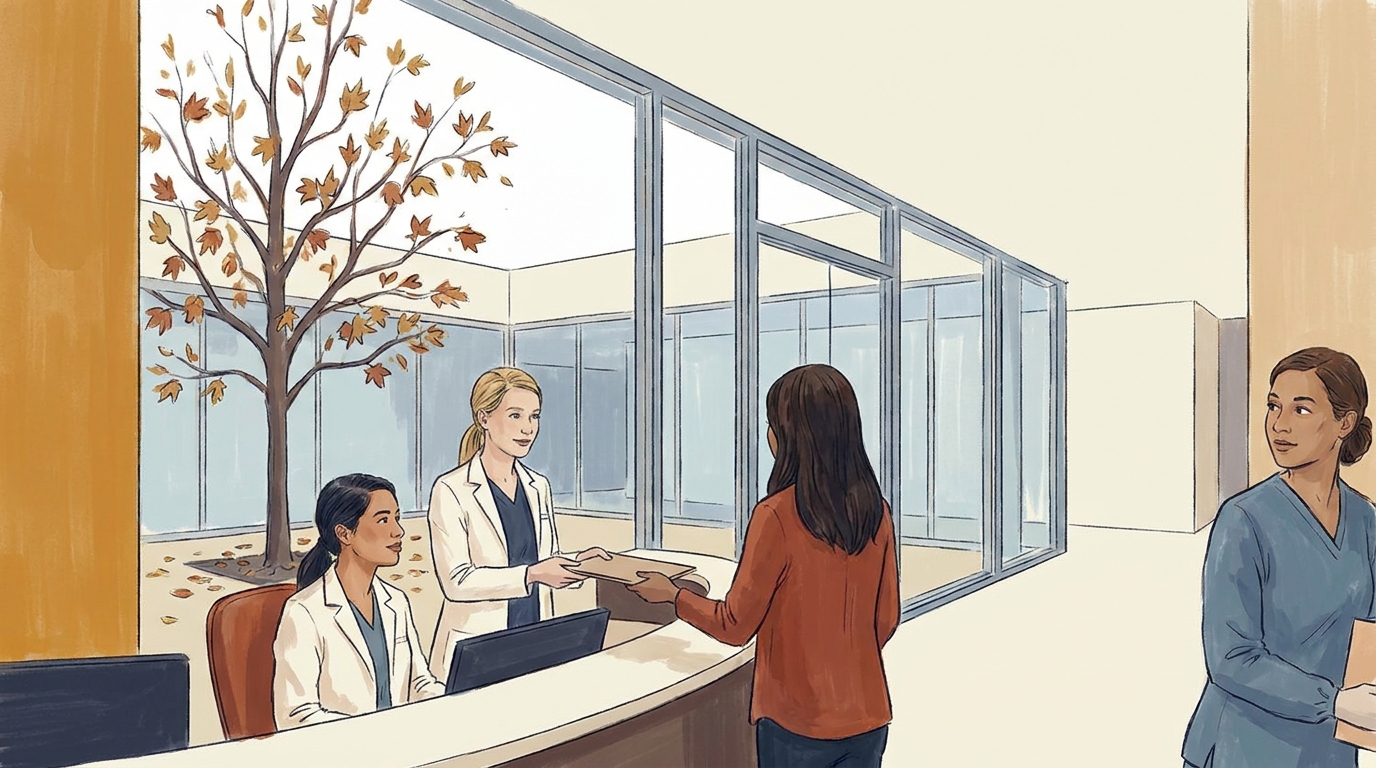
The consultation is a comprehensive evaluation, not a quick look. At Rice Dentistry, a first visit runs about an hour and 15 minutes: time with a treatment coordinator to understand what brought you in, then a full hour with the doctor for diagnostic imaging, risk assessment, and treatment planning before any surgical date is set.
This is the right moment to ask detailed questions — guidance from MedlinePlus notes that patients should try to ask detailed questions about surgery and anesthesia before the day of the operation, since there will be more time to talk at that stage. Expect to review sedation options (Rice Dentistry offers oral conscious sedation and nitrous oxide), who will drive you home, and how the procedure fits into a longer treatment sequence.
From Rice Dentistry: Most patients expect us to go concern by concern: fix this tooth, then that one. Our process is different, and it starts with what matters most to you. If you are in pain, or you have an urgent need (a wedding coming up, a front tooth you cannot live with), we address that first, in the proper order within the plan. Your chief concern is never set aside for the sake of a process. Having said that, we want to be complete and thorough with every new patient. You will have a chance to fully understand your health condition and all of your options, and then we phase the treatment based on two things: your desires, and what is most critical to lower problems in the future. Often, something done earlier makes the treatment you need later less extensive, and we plan around that. The first visit is about an hour and 15 minutes: time with our treatment coordinator to understand what brought you in, then a full hour with the doctor for a comprehensive evaluation. Using concepts taught at the Kois Center, the doctor evaluates your individual risk factors across overall health, gum and bone, the structure of the teeth, and bite and function, along with appearance. The diagnosis, and especially the treatment options, are built around lowering those risks going forward, not just repairing today’s damage, so the wrong option is never chosen. Patients leave with a full understanding of their mouth, because one thing we do not subscribe to is the pattern where every cleaning visit produces one more surprise: the next most urgent thing, never mentioned before. Patients in our hygiene program already know their conditions, their diagnosis, and any treatment they are postponing. They and we are on the same page about when it will be phased in, and ultimately it is the patient’s decision.
How should you prepare in the week before surgery?
Preparation starts roughly a week out. Some medications, including blood thinners and anti-inflammatory drugs, may need to be paused before surgery to minimize bleeding risk — always under the prescribing physician's direction, never on your own.
In the final 24 hours, stop smoking at least 24 hours before surgery and avoid alcohol for at least 24 hours before surgery. As a general rule, do not eat or drink anything after midnight before surgery; in some cases, clear liquids may be allowed up to a few hours before anesthesia, but only if your surgical team gives you that instruction in writing. Fasting rules vary with the anesthesia planned — follow your practice's specific written instructions rather than a generic version.
What should you expect on the day of surgery in Irvine?
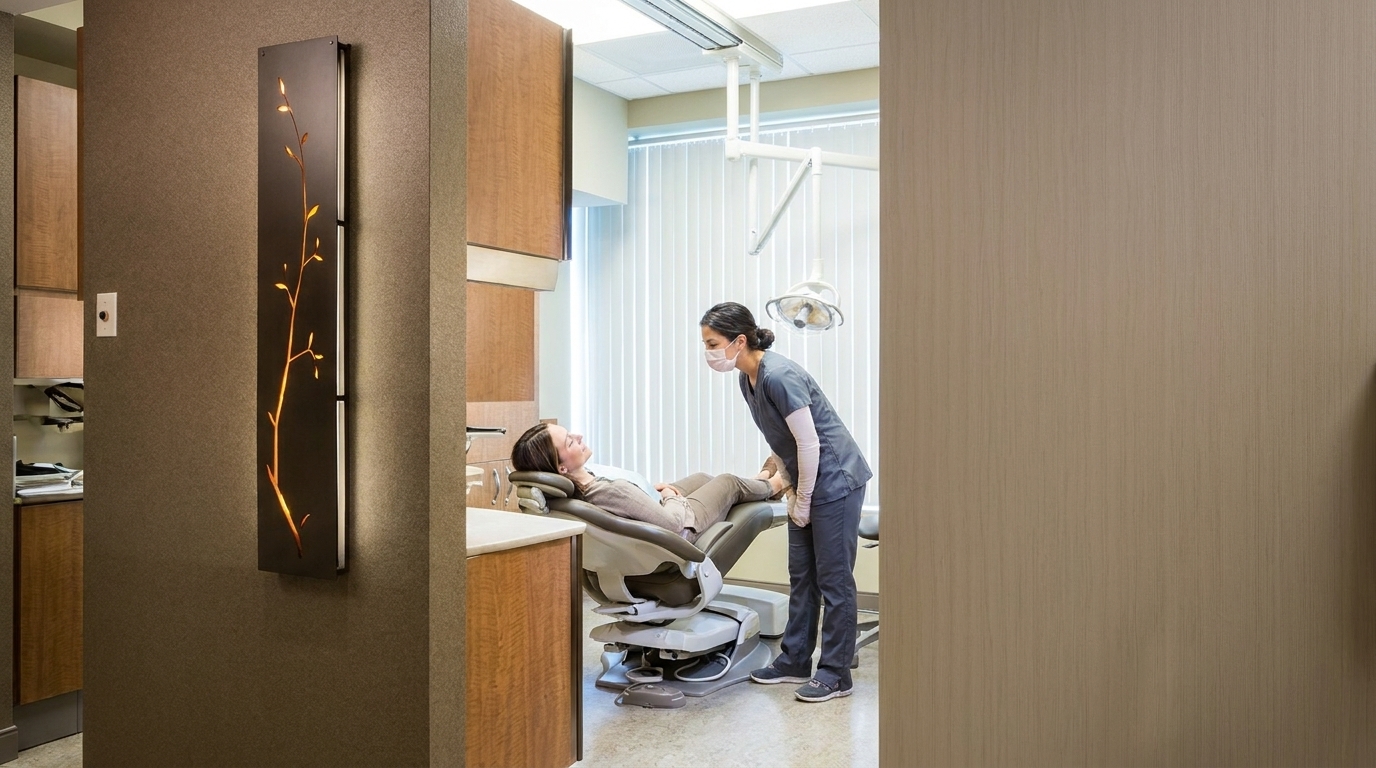
On the day of surgery, you will meet the team involved, which may include the surgeon, anesthesiologist or nurse anesthetist, a preop nurse, an operating room nurse, and a postanesthesia care nurse for sedation cases. Arrange a responsible adult to drive you home — patients who have had sedation must arrange for a responsible adult to drive them home after the procedure.
If your extraction is done under local anesthetic only, the injection takes a few minutes to numb the area; you should not feel pain during extraction, though you may feel pressure. Irvine's traffic patterns matter here — if your appointment is at a practice near the Spectrum or along Laguna Canyon Road, build in buffer time around the 405 and 5 interchanges so you arrive relaxed rather than rushed.
Key day-of reminders
What does recovery look like after oral surgery?
For wisdom tooth removal, swelling often peaks around days 2–3 and then gradually improves, with a usual recovery of about 5–7 days per NHS surgical guidance. Soreness after a tooth removal may take up to two weeks to fully settle. Implant osseointegration — the biological bond between bone and the titanium post — runs on a longer clock, typically several months before the final restoration is seated.
Aftercare basics matter more than most patients realize. Avoid mouthwash for at least 24 hours after an extraction, and do not spit, because spitting can disturb the socket and the protective blood clot. The main complication to know about is dry socket (alveolar osteitis), which occurs when the blood clot in the extraction socket is lost or breaks down, exposing the underlying bone; it typically becomes apparent a few days after extraction and warrants a call back to your surgical team.
How do recovery timelines compare across common procedures?
| Procedure | Typical in-chair time | Primary recovery window | Full healing / next step |
|---|---|---|---|
| Single tooth extraction | Short outpatient visit | Soreness up to 2 weeks | Site healed before restoration |
| Wisdom tooth removal | Outpatient, often sedation | 5–7 days usual recovery; swelling peaks days 2–3 | Soreness up to 2 weeks |
| Dental bone graft | Outpatient | Soft-tissue healing in days | Months of bone maturation before implant |
| Dental implant placement | Outpatient, planned with 3D imaging | Soft-tissue healing in roughly 1–2 weeks | Osseointegration over several months |
When should you call your surgeon instead of waiting it out?
Call promptly if you experience worsening (rather than improving) pain after day three, fresh uncontrolled bleeding, rapidly increasing swelling, fever, or a foul taste accompanied by throbbing pain — the classic dry-socket pattern. Appropriate recovery discomfort trends downward; a problem trends upward.
Irvine patients benefit from a compact geography: most neighborhoods, from Woodbridge to Northwood to Turtle Rock, are within a short drive of their surgical office, which matters when a quick post-op check is warranted. Rice Dentistry is open Mondays 9:00am–6:00pm and Tuesday through Thursday 7:00am–4:00pm, giving several windows for a call-back visit during the first post-op week.
Frequently Asked Questions
Is oral surgery performed under general anesthesia in Irvine?
Not usually. Most oral surgery in Irvine dental offices is performed under local anesthetic, sometimes combined with oral conscious sedation or nitrous oxide for anxious patients or longer procedures. With local anesthetic, the injection takes a few minutes to numb the area, and you should not feel pain during the extraction itself, only pressure.
How long does a typical oral surgery consultation take?
At Rice Dentistry a first visit runs about an hour and 15 minutes — roughly 15 minutes with a treatment coordinator, then a full hour with the doctor for comprehensive evaluation, imaging review, and treatment planning. This longer first appointment is deliberate: it lets the surgical plan, sedation choice, and recovery logistics all be decided before you commit to a date.
Can I drive myself home after oral surgery?
No, not after sedation. Arrange your ride before the appointment, and do not eat or drink in the car on the way home because anesthesia, food, and car motion together often cause nausea.
How long until I can eat normally after a tooth extraction?
Soreness after a tooth removal may take up to two weeks to fully settle, though most patients are back to a normal diet well before that. Avoid mouthwash for at least 24 hours and do not spit, because spitting can dislodge the protective clot.
What is dry socket and how do I know if I have it?
Dry socket, or alveolar osteitis, occurs when the blood clot in the extraction socket is lost or breaks down, exposing the underlying bone. It typically becomes apparent a few days after extraction as pain that worsens rather than improves, sometimes with a foul taste. Call your surgical office promptly if this pattern appears — it is treatable in-office.
Do I need a bone graft before a dental implant?
Sometimes, but not always. Dental bone grafts are performed to increase the volume and density of the jawbone when the site lacks enough bone to anchor an implant securely. Whether you need one is determined by 3D imaging during your consultation; Rice Dentistry uses advanced 3D surgical design to plan implant placement and identify grafting needs before surgery.
Planning your oral surgery in Irvine
Oral surgery goes smoothly when the consultation is thorough, the preparation instructions are specific, and the recovery is supported by a team you can reach when a question comes up. If you are in Irvine, CA and want this handled by a practice that plans implants with 3D surgical design and sequences treatment around what matters most to you, you can reach Rice Dentistry at (949) 551-5902 or https://irvinedentalcare.com to schedule a consultation.